Hazmat Cleanup
Hazmat cleanup uses suitable protective equipment when addressing hazardous materials.
See hazmat cleanupGet help with chemical spills, toxic residue, damaged containers and contaminated materials in Wauseon. The substance is identified before the cleanup method, packaging and waste route are chosen.

Chemical and toxic waste cleanup is the controlled removal of spilled products, residues, damaged containers and materials that became contaminated, followed by surface cleaning and proper waste disposal.
First, the material present must be identified. Information may come from its product label, a safety data sheet, shipping paperwork or a report by emergency responders. That identity determines the approach, since a technique suitable for one chemical could react with a different one. Never touch an unknown liquid or powder, lean in to smell it, or combine it with cleaning products. Every part of cleanup must be based on the identified substance's hazards.
Chemical cleaning services may be used in a vehicle, home, rental unit, garage, workshop, warehouse or commercial property. Cleanup starts by marking the affected space along with the area around it. It also requires hazard-appropriate protective equipment, controls that keep residue in place, and separation of salvageable belongings from hazardous waste. Bodily fluids, animal waste and any other biological hazard require their own biohazard remediation steps.
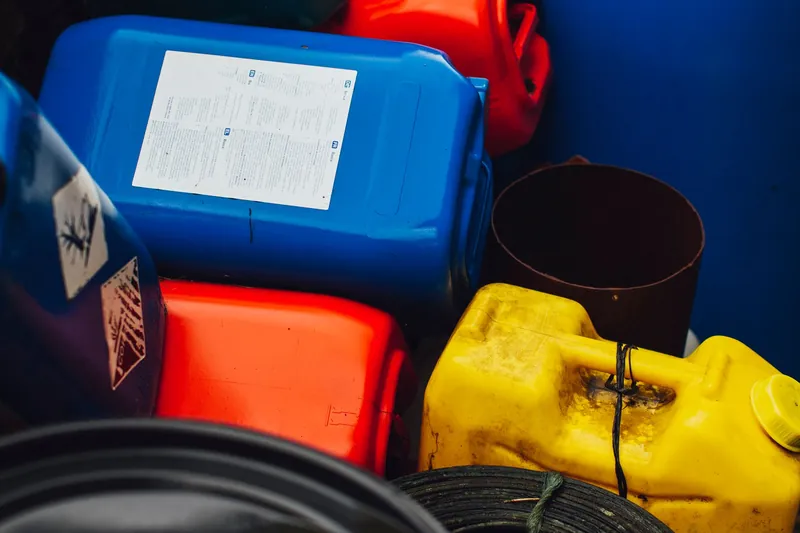
Insurance companies can receive organized work details, available waste records and photos, along with property owners and additional responsible parties. Before repairs start, the records may show restoration services exactly what cleanup removed.
Items are grouped by surface and exposure. Treatment is chosen by item so personal property is not subjected to one chemical method that might cause further harm.
Crews use unmarked vehicles, while calls receive an answer both day and night. Planning for access starts after you explain what material is involved, where it is and what concerns you now.
You hear what is known, what still needs identification and why each containment, removal or cleaning step is proposed before work moves forward.
Professional cleanup may be needed for an unidentified substance, possible fumes or reactions, a label that prohibits routine disposal, or contamination beyond a minor cleanable surface. Both the affected materials and the chemical determine how the work is planned. Common examples are:
Leaking cleaners, fuels, pesticides, pool products or workshop products can affect floors, cabinets and nearby belongings.
A cautious assessment of unidentified liquid, powder or staining comes before decisions about protective gear and cleaning. When material may involve illegal activity, act according to law enforcement instructions.
Some properties contain chemicals alongside bodily fluids, feces, urine, needles or animal waste, so each hazard needs its own safe cleaning process.
Carpet, cargo, padding and trim may absorb a trunk or passenger-area spill and develop lingering odor as well as residue.
Your immediate priorities are limiting exposure and stopping residue from being carried beyond the affected space. From a safe distance, take only these steps:
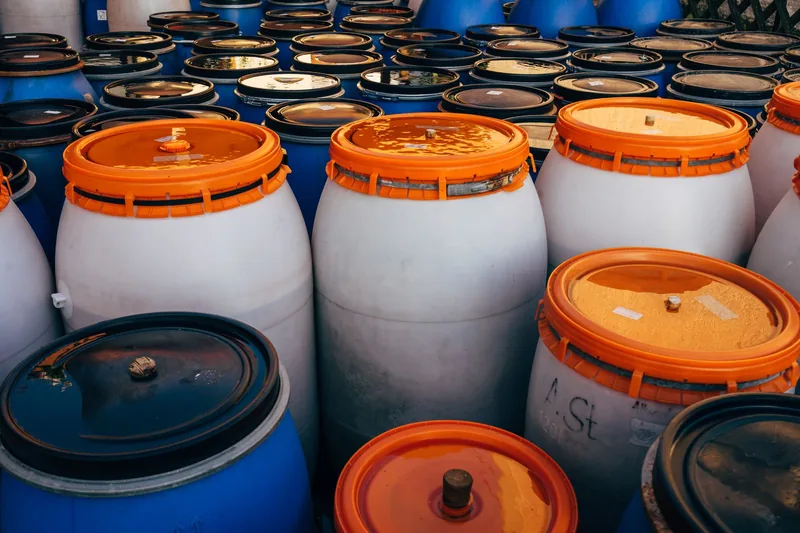
Call (888) 440-9227Fixr lists one hazardous chemical amount, which is $30 to $50 per barrel. Its role is to guide disposal costs, not to state a complete cleanup price. The final scope requires looking at the material and where it spread, since containment, identification, packaging, labor, transport and surface removal can all affect the total.
The figures shown are national ranges from published cost guides and are not based on an on-site visit. An on-site assessment determines your property's price, which is explained to you before the cleanup starts.
Ask about cost: (888) 440-9227Insurance coverage varies with the policy, ownership or control of the material, and the cause of its release. Organizing photos, receipts and the work scope can support the claim process, but the insurance company alone determines coverage. Report what happened to your insurer, then ask which records are needed.
Renters and homeowners coverage may distinguish certain abrupt spills from slow leaks, pollutants excluded by the policy and improper storage. Confirm the precise cause prior to approving work that can wait.
Business policies vary. The property owner or business should report the incident, preserve labels and records, and ask whether environmental cleanup or damaged contents are covered.
Find out if the policy includes hazardous waste disposal, chemical cleanup, tests, contents and restoration, which deductible applies, and what photographs, reports or receipts you must submit.
The owner, tenant, employer, contractor or person who brought the substance onto the property may be involved. A lease, work agreement and policy language can affect who pays.
The substance determines how remediation proceeds, so the work must not rely on one standard method for every situation. Product facts and site information set the order around the known hazards. Typical stages of chemical cleaning are:
The affected area is mapped with surrounding areas after technicians study product labels, location information and safety data, but before anything is disturbed.
Entry is restricted and the work zone is controlled to prevent footwear, equipment and air movement from spreading residue.
For each identified hazard and job, technicians select suitable respiratory protection, clothing, gloves and eye protection.
Without combining materials that may react, technicians package recoverable liquids, damaged containers and powders in suitable sealed vessels.
Absorbent carpet, pad, drywall, insulation or vehicle trim is removed when it cannot be cleaned completely and safely.
For hard surfaces that are compatible, the cleaning approach follows the substance involved, the surface type and manufacturer guidance.
Applicable requirements and the kind of waste determine the proper facility for each labeled package.
You receive organized waste and cleanup records after the area is reviewed for remaining chemicals, odor and signs of tracked contamination.

Phone any hour. Your chemical and toxic waste cleanup specialist answers the phone, describes what happens next and works with you on a start time.
Exposure to chemicals may harm your eyes, skin, breathing or nervous system. The substance involved and its concentration determine which precautions are correct.
A new reaction and wider contamination can result from draining a chemical, mixing container contents or discarding hazardous waste with ordinary garbage.
Vapors from certain products may move outside the area you can see. A noticeable smell means you should go, while the absence of odor cannot confirm safe air.
Drywall, upholstered fabric, carpet pad and unfinished wood may absorb the contaminant. Surface wiping may leave chemical residue below the material.
Can you clean it yourself? A small spill may be suitable for owner cleanup only when the product is known, the label gives clear cleanup directions, nobody has symptoms and you can follow every safety instruction. If the product is unknown, reactive, strongly odorous or spread into a porous surface, keep out and seek professional cleanup or emergency guidance.
The substance involved, the type of surface and the depth it reached determine whether an item can remain. Identifying the chemical before deciding helps prevent concealed residue from staying in place.
A safe chemical cleanup timeline cannot be determined before the substance, amount and extent of spread are known. Work on an identified product limited to an accessible hard surface is less complex than cleanup of unknown material inside flooring, wall cavities, soil or multiple rooms.
| Scene | Typical time on site |
|---|---|
| Identified substance affecting a small hard surface | Timing set after the label and affected surface are reviewed |
| Chemical absorbed into porous materials | Longer when removal, packaging and disposal are required |
| Unknown material or broad contamination | Cleanup starts once the dangers are known and controls are ready |
The source is identified and removed before chemical odor is addressed. Air fresheners, fragrances and general deodorizers may cover the smell while residue remains. Airflow requires caution as well, since fans can move chemical particles or vapors beyond the affected space.
After removal of residue and contaminated materials, another check can look for tracked contamination or odor that remains. The known chemical should determine whether ventilation, filtration or a different form of air treatment is suitable. Ozone and heat cannot be applied as all-purpose cleanup methods, and neither takes the place of source removal and substance-specific direction.
The full chemical and toxic waste cleanup guide covers what is cleaned or removed, odor and air quality work, and the rules that apply in Ohio and Fulton County.
Read the full chemical and toxic waste cleanup guideLocal population patterns, housing and site access may affect how containment and cleanup are planned.
In an area with 29.0% renter occupancy, direct homeowner approval can simplify choices about opening walls or replacing affected finishes.
In housing built around 1972, a moisture check can help define how far sewage or cleaning water traveled.
About 303 older residents live alone in Wauseon, equal to 28.5% of seniors and still relevant to welfare planning.
Detached and single-family properties account for 72.6% locally, so exterior access and safe waste movement should be planned early.
Your phone conversation can include questions about service in nearby ZIP codes and communities.
Hazmat cleanup uses suitable protective equipment when addressing hazardous materials.
See hazmat cleanup
Residue from tear gas and pepper spray is cleaned after police action or self-defense.
See tear gas and pepper spray cleanup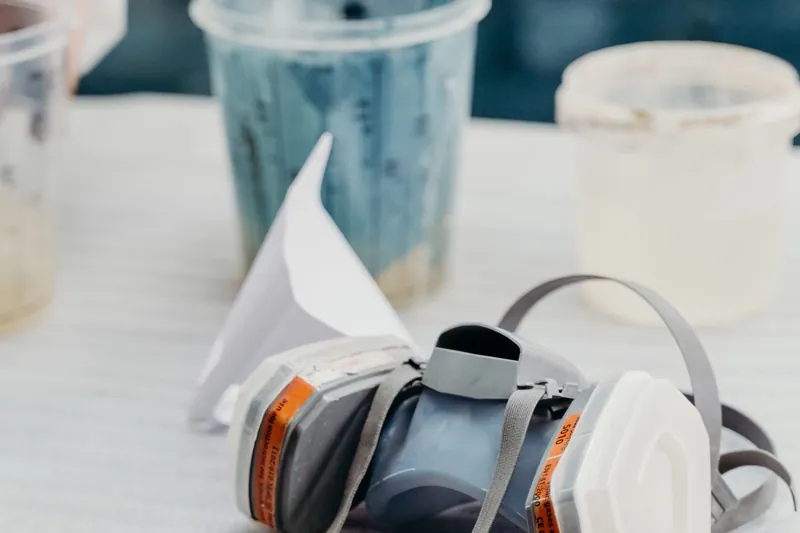
Meth lab cleanup with residue testing, decontamination and clearance steps.
See meth lab cleanup
After fentanyl exposure, decontamination addresses rooms, vehicles and other surfaces.
See fentanyl decontamination
Grow house cleanup removes chemicals, mold and property damage left by indoor cultivation.
See marijuana grow house cleanup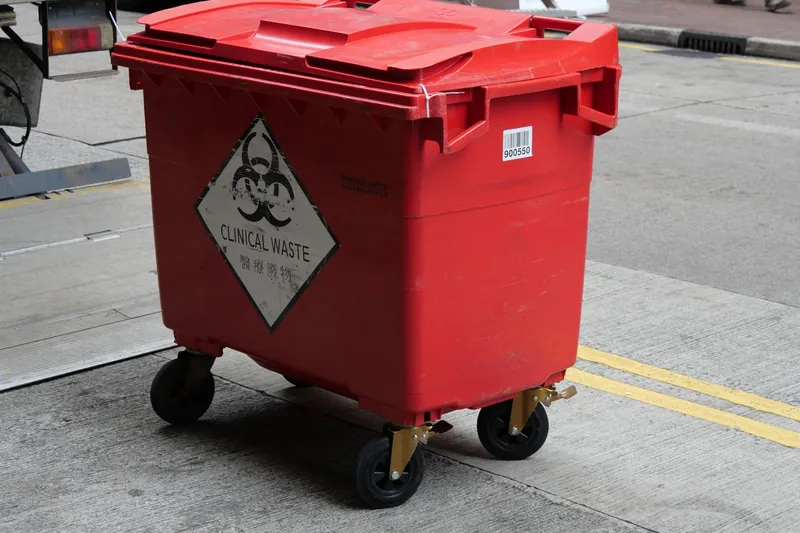
After medical waste removal, disposal takes place through approved treatment facilities.
See medical waste removal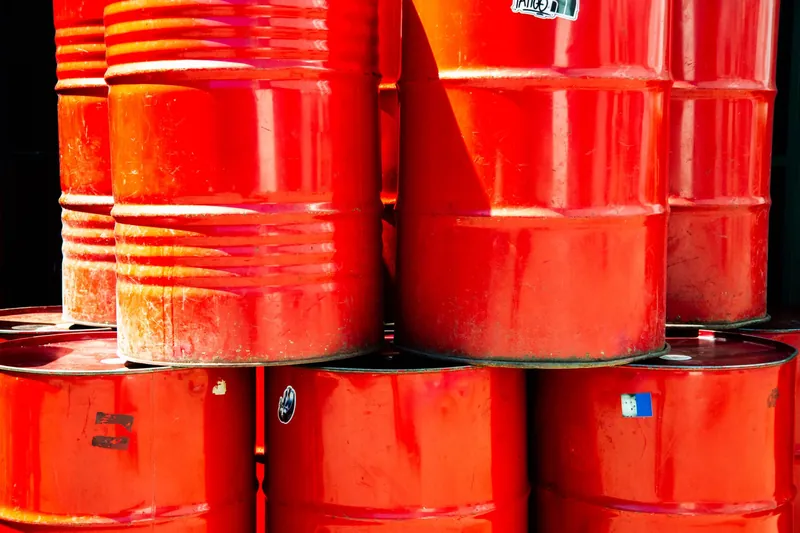
Pickup and disposal of biohazard waste use containers that are sealed and labeled.
See biohazard waste disposal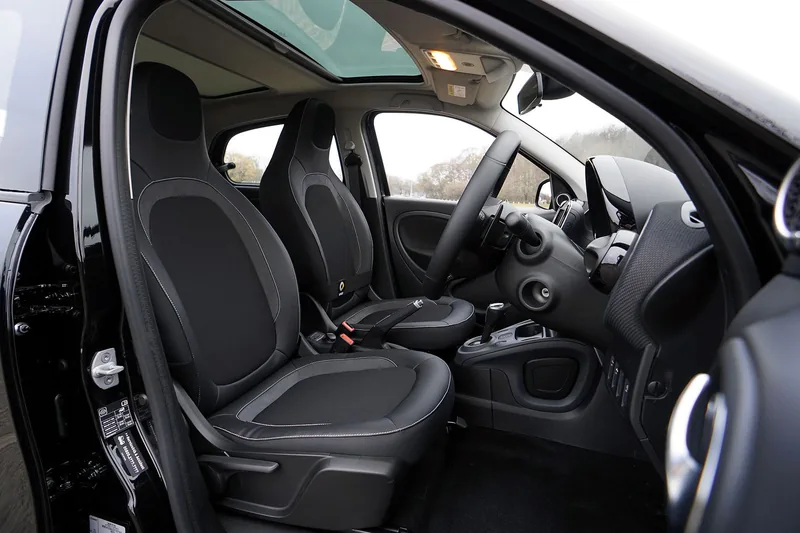
Vehicle biohazard cleanup for cars, trucks, boats and RVs.
See vehicle biohazard cleanupThe phrase can describe a vehicle contaminated by bodily fluids, a hazardous chemical, or both. You cannot determine the substance or damage level from that phrase alone. Request cleanup and incident documentation before you purchase or use the vehicle, and arrange evaluation of impacted trim, carpet, padding and air passages.
The Fixr cost guide lists hazardous chemicals at $30 to $50 per barrel. That figure does not include every part of a cleanup. Factors shaping your final cost include chemical identity, volume, containment, waste packaging and transport, disposal fees and any contaminated material that must come out.
Urine is treated as bodily fluid contamination. When accumulation is extensive or long-lasting, it can create a sharp ammonia-like odor and damage porous material. Adding bleach or another cleaner without knowing what is present can create a dangerous reaction. A safer approach removes the source and saturated material, then uses compatible cleaning instead of masking smells.
Biological hazards include infectious material such as blood, bodily fluids and some animal waste. Chemical hazards come from a substance's toxic, corrosive, reactive or flammable properties. One event can contain both. The first important task is identification, since chemical and biological materials call for different protective gear, cleaning methods, packaging and waste disposal.
Human feces is a biological contaminant, not simply a toxic chemical. Dried material may send contaminated particles into the air when disturbed, and a large buildup can produce irritating smells and poor air quality. Never combine cleaning products on the waste. Stay away, ventilate only if safe and get urgent help for difficult breathing.
Some biohazard cleanup teams can perform chemical cleanup, depending on material type, volume and needed protective equipment. Ask directly about the exact chemical and property type. When a release is active and causes a reaction, fumes, flames or sickness, emergency response comes before a cleanup service enters.
Discreet, respectful chemical and toxic waste cleanup, 24 hours a day, with crews in unmarked vehicles.